Showing posts with label Dogs. Show all posts

Saturday, September 28, 2013

Dangerous Medications for Dogs

Some people think that human medications might help dogs; DON’T DO IT!


Here are three medications you should NEVER give your dog:


1. ASPRIN. Aspirin. Aspirin toxicity (salicylate toxicity) is poisoning that occurs following the ingestion of aspirin or aspirin-containing products. Aspirin can be especially dangerous when mixed with other drugs such as steroids or non-steroidal anti-inflammatory drugs. There is a much higher risk of toxicity. Aspirin interferes with platelets, which are responsible for helping the blood to clot. Disruption of platelet function increases the amount of time it takes the blood to clot in cases of wounds or lacerations. Spontaneous bleeding may also occur causing pinpoint bruises to appear in the skin and on the gums (petechiae). Aspirin toxicity may cause gastrointestinal problems, respiratory difficulties, neurological problems, bleeding disorders and kidney failure. Gastrointestinal problems are common in dogs.


2. IBUPROFEN is a popular and effective over-the-counter medication available to treat pain and inflammation in people. For dogs, ibuprofen can easily exceed toxic levels. The most common cause of ibuprofen toxicity is a well-meaning owner who tries to alleviate pain in his dog by administering a dose he thinks is adequate without knowing the toxic dose. The initial toxic effect is bleeding stomach ulcers. In addition to ulcers, increasing doses of ibuprofen eventually lead to kidney failure and, if left untreated, can be fatal. Symptoms include poor appetite, vomiting, black tarry stools, vomiting blood, abdominal pain, weakness and lethargy.


3. ACETAMINOPHEN. Common brands include Tylenol®, Percoset®, aspirin free Excedrin® and various sinus, cold and flu medications. Dogs most commonly receive toxic amounts of acetaminophen because owners medicate them without consulting a veterinarian. They also consume tablets that are dropped on the floor or left around. Dogs are less sensitive to acetaminophen than cats. For example, a 50-pound dog would need to ingest over seven 500 mg tablets in order to suffer toxic effects. In the cat, one 250 mg acetaminophen tablet could be fatal. If you suspect that your dog has ingested a toxic amount of acetaminophen, (one pill or more), contact your family veterinarian or local veterinary emergency facility immediately. Aspirin toxicity (salicylate toxicity) is poisoning that occurs following the ingestion of aspirin or aspirin-containing products. Aspirin can be especially dangerous when mixed with other drugs such as steroids or non-steroidal anti-inflammatory drugs. There is a much higher risk of toxicity. Aspirin interferes with platelets, which are responsible for helping the blood to clot. Disruption of platelet function increases the amount of time it takes the blood to clot in cases of wounds or lacerations. Spontaneous bleeding may also occur causing pinpoint bruises to appear in the skin and on the gums (petechiae). Aspirin toxicity may cause gastrointestinal problems, respiratory difficulties, neurological problems, bleeding disorders and kidney failure. Gastrointestinal problems are common in dogs.


Best Price Canine Buffered Aspirin (for small & medium dogs) by Pala-Tech - 60 Chewable Tablets Special offers


Canine Buffered Aspirin (for small & medium dogs) by Pala-Tech - 60 Chewable Tablets


Best Price for Canine Buffered Aspirin (for small & medium dogs) by Pala-Tech – 60 Chewable Tablets With Special Pomotions Fast Shipping


Product Feature


    Product Description


    Coated Buffered Aspirin Chewable Tablets for Dogs offer the safest aspirin daily supplement for dogs, since our Aspirin is USP grade and is coated and buffered. This product is designed to improve the mobility of all dogs, including dogs that are used for field trials, hunting, racing, or dog shows.100% Pure Pharmaceutical Grade Aspirin USP which has been buffered and coated is contained within Coated Buffered Aspirin Chewable Tablets for Dogs.Coated Buffered Aspirin Chewable Tablets for Dogs is a safe and highly effective aspirin supplement for dogs of all ages, sexes, and backgrounds.1. Coated Buffered Aspirin Chewable Tablets for Dogs contain 150 mg of Aspirin USP that has been coated and buffered to provide for the optimum anti-inflammatory and pain reduction effect due to arthritic symptoms or lameness in dogs.2. Coated Buffered Aspirin Chewable Tablets for Dogs contain buffered, coated aspirin to minimize any gastric upset for dogs.3. Coated Buffered Aspirin Chewable Tablets for Dogs are ideal for any dog that lives an active life style but suffers from lameness or other arthritic conditions.4. Coated Buffered Aspirin Chewable Tablets for Dogs are an ideal replacement product for dogs that have been taking Rimadyl at the fraction of the price of Rimadyl.5. Coated Buffered Aspirin Chewable Tablets for Dogs have a great ROAST BEEF and LIVER Flavor. Dogs love it! Suggested Use: Offer free choice or crumble and mix with food 1 to 2 tablets twice daily for every 50 pounds of canine bodyweight.Each tablet has a great ROAST BEEF and LIVER Flavor! Dogs love it! Ingredients: Aspirin USP……………… (Coated & Buffered)…………………150 mg Canine Buffered Aspirin (for small & medium dogs) by Pala-Tech – 60 Chewable Tablets
    Read more >>


    Buy Canine Buffered Aspirin (for small & medium dogs) by Pala-Tech – 60 Chewable Tablets Now


    SimilarProducts


  • Nutramax Dasuquin for Dogs Small/Med 84 Chew Tab

  • Pala-Tech Canine Aspirin 150 MG 60 Chewable Tablets

  • The cheapest deal for Canine Buffered Aspirin (for small & medium dogs) by Pala-Tech – 60 Chewable Tablets.The best selection and top shopping.Top Shop on Canine Buffered Aspirin (for small & medium dogs) by Pala-Tech – 60 Chewable Tablets now. Cheap Price Now! .


    Reviews: CANINE BUFFERED ASPIRIN (FOR LARGE DOGS) BY PALA-TECH – 60 CHEWABLE TABLETS


    CANINE BUFFERED ASPIRIN (FOR LARGE DOGS) BY PALA-TECH – 60 CHEWABLE TABLETS


    • Coated Buffered Aspirin Chewable Tablets for Dogs contain 150 mg of Aspirin USP that has been coated and buffered to provide for the optimum anti-inflammatory and pain reduction effect due to arthritic symptoms or lameness in dogs.

    • Coated Buffered Aspirin Chewable Tablets for Dogs contain buffered, coated aspirin to minimize any gastric upset for dogs.

    • Coated Buffered Aspirin Chewable Tablets for Dogs are best for any dog that lives an active life style but suffers from lameness or other arthritic conditions.

    • Coated Buffered Aspirin Chewable Tablets for Dogs are an best replacement product for dogs that have been taking Rimadyl at the fraction of the price of Rimadyl.

    • Coated Buffered Aspirin Chewable Tablets for Dogs have a great ROAST BEEF and LIVER Flavor. Dogs love it!


    List Price:


    SALE Price: $ 13.82


    Rating: (out of reviews)


    Popularity: unranked


    Friday, September 27, 2013

    A Rude Dog"s Diary


    I feel very blessed today.  Giorgio and I have good friends who care a lot about us.  Two such friends funded a second opinion for Giorgio with a renowned, board certified cardiologist at The Bobst Hospital of the Animal Medical Center of NY


    At first we thought we might try and see Chihuahua Rosemary’s cardiologist at the 5th Ave. Veterinary Specialists on 15th Street, but, I decided against that option because they are just too far away from where I live, and, when there’s an emergency with Giorgio, it would be a lengthy trek getting him there.


    Then we considered NYC Veterinary Specialists on West 55th Street.  When I called there, however, I learned that their cardiologist is in Florida!   That wouldn’t do us much good.  I wanted a face-to-face second opinion.


    So we decided to call on Dr. Phillip Fox DVM, MS, ACVIM, ACVECC, at the AMC/NY. 


    I was reluctant, nervous about returning to the AMC so soon after the trauma of being there with Gilbert Kitty.  I had to put my qualms aside for Giorgio’s sake.  We were fortunate to get a call back from Dr. Fox immediately today and he took us in this afternoon.


    By the time we arrived for our appointment, our vet’s at Rivergate Veterinary Clinic had already faxed Giorgio’s records (thank you Nina).  Dr. Fox (and two residents who were learning from him) reviewed the tests and reports carefully and he didn’t push us into repeating the echo-cardiogram, but, it was apparent that the only way to get a true second opinion as to the mass reported in last week’s echo, was to give Dr. Fox an opportunity to view the heart himself.


    Giorgio was a real trouper and the team said he cooperated beautifully.  Dr. Fox said he looked and looked and he just did NOT see any mass in Giorgio’s heart.  His opinion was that IF there was a mass, it was a blood clot and has already dissolved.  He also felt that Gio’s heart didn’t appear any worse than the report from three months ago.


    This is all wonderful news.  I now know, and feel confident, how to proceed for the next three months until Gio’s next echo is done.  We’ll continue the conservative course of treatment (meaning no Lasix (diuretic) unless and until Gio is in heart failure).


    As I’ve mentioned before, health care for our pets is extremely costly, especially when expensive diagnostic tests are essential, as with heart disease.  The option of getting a second opinion is a true luxury, a true blessing, and we are so grateful to our friends Ronnie and Peter for funding Giorgio’s care.  I really was falling apart at the seems, picturing a blood clot lodged in Giorgio’s septul wall.  I have no words that adequately express my gratitude and the peace of mind I have tonight.


    Tomorrow, I’ll write about our experiences in the waiting room.  We met some interesting people and pets, and, there’s a follow up to Gilbert Kitty as well.


    My Giorgio (Maltese) had his second echo-cardiogram yesterday.  His chronic heart disease has gone from “moderate” three months ago to “marked.”  And, there is a mass (.8cm) in the left atrial wall, possibly a blood clot or other mass.


    The only way to ascertain what the mass is would be to bring him someplace to have an MRI.  That’s just not a possibility.  The cost is prohibitive, but, more than that, if we find out that it is a mass there is no surgical option.  It is in a very difficult place.


    So the doctor said to treat him for a blood clot with a quarter of the low dose aspirin (81mg coated aspirin) and then we just hope for the best.


    Meanwhile, I am terrified of the inevitable day when he has the attack that will kill him.  It is inevitable, even though I know we’re doing everything we possibly can for him.  I’m restricting his exercise as much as one possibly can with a small dog who lives to jump and run and play.


    He greats me at the door every time I come home, bringing one of his stuffed toys to me and calling out with his famous Aroo!  Aroo!


     Aroo to you Giorgio.  I’m so glad you don’t know what is happening inside your big heart.


    Who’d a thunk, by not being a good citizen and picking up their doggie’s doo-doo, someone actually helped catch another law-breaker?


    18-year-old North Carolina man crashed his car into a yard and stepped on dog poop on his way out.  Sgt. Dale Gunter found a white van driving toward him after searching and following the dog poop trail.   When Gunter asked the man to get out of the vehicle, he smelled alcohol and saw the dog poop all over his shoes. He was charged with driving while impaired and driving under age. He was released on $ 1,500 bail.  See MSNBC.com


     Twenty-two of Michael Vick’s dogs, all bred to fight, will soon be learning how not to at Best Friends Animal Society’s sanctuary in southern Utah.


    Elsewhere in the news, I see the “former fighting” dogs that were seized from Michael Vicks (the football player fellow) property have gone on to various rescue organizations for rehabilitation.  Oh me of little faith.  I pray none of them ends up re-homed anywhere in my immediate area.  While people who adopt “former fighting dogs” promise they will keep them on leash, not go into dog parks, not acquire other pets, to safely manage the rehabilitated dogs for their lives, I’ve seen way too many people start out with good intentions and end up getting lazy.  And that’s when someone gets hurt.  An innocent passing dog, a family cat, or worse.  I fully believe with all my heart, the dogs in the Vicks case were not to blame, were not the criminals, and, it is a tragedy that in these instances it is always the dogs who pay.


    But I don’t believe in fully reliable rehabilitation of such dogs.  Again, not the dogs’ fault at all, but, people are, after all, only human and make mistakes and let their guard down, and, I believe such dogs require a life time of careful and constant management and owner control.  (Edit:  In reading this I came to realize, it is the people I feel cannot be relied upon to keep up with the rehabilitation management needed for fighting dogs.)


    The story is here Baltimoresun.com 


    The other rescue groups are and Recycled Love in Baltimore (three dogs); BAD RAP, Oakland, Calif. (10 dogs); Richmond Animal League, Richmond, Va., (4 dogs); Georgia S.P.C.A., Suwanee, Ga..; (3 dogs); SPCA of Monterey County, Calif.; (3 dogs); Animal Rescue of Tidewater, Chesapeake, Va..; (1 dog); and Our Pack, Inc. (1 dog).


    Nothing about dog fighting is right or humane.  Read the following article, if you have the strength:  Dog Fighting, White Plains, New York


    The Antifreeze Bittering Act of 2005:


    What’s taking so  long to get this bill passed?  And, what can we do about it (I know the answer to that, write to your state and federal representatives and support the legislation).


    An estimated 1,400 children and 10,000 animals are poisoned each year after ingesting Ethylene glycol, a highly toxic substance used in antifreeze and coolant in automobiles. Ethylene glycol’s sweet smell and taste makes it an attractive but deadly substance. The bill requires antifreeze and coolant manufacturers to add denatonium benzoate, an intensely bitter agent, to their products. The additive would cost manufacturers an additional 2-3 cents per gallon.  (Source/link:  Humane Society of the US)


    Antifreeze (ethylen glycol) has been a source of both accidental and intentional poisoning of pets for as long as it has been in use.  Upwards of 90,000 pets are killed (accidentally or intentionally) in the USA every year.  It makes sense, such simple sense, to require manufacturers to change their formula to make the substance unpalatable.  Currently, the stuff looks a lot like Gatorade and tastes good to both people and animals.


    Here’s information on the Antifreeze Bittering Act of 2005: (Source/link: Doris Day Animal League) The Antifreeze Bittering Act (H.R. 2567/S. 1110) is a federal bill to require the addition of denatonium benzoate (DB) to engine coolant/antifreeze to render it unpalatable. DB is the world’s bitterest known substance. Passage of this legislation will help save countless animal lives. In July 2006 the U.S. House Commerce committee held a favorable mark-up on the Antifreeze Bittering.


    While the U.S. House Commerce committee passed the Antifreeze Bittering Act (H.R. 2567) July, 2006, the bill has not made it through the U.S. Senate.


    So, it is clear, pet owners (and concerned citizens) have more to do than “just” elect a new President this year.  Start writing your local, state, and federal representatives and urge the passing of The Antifreeze Bittering Act (H.R. 2567/S. 1110.


    I have faith that bloggers know full well how to email their representatives but in case anyone needs help:


    How to write your representative:  Source/Link:  U.S. House of Representatives


    How to write your Sentator:  Source/Link:  U.S. Senate


    Important reminder:

    THE PRESIDENTIAL PRIMARY ELECTION WILL BE HELD IN NEW YORK STATE ON FEBRUARY 5th, 2008.


    For New Yorkers, here’s a link to a .pdf form to download 


    If you are currently not registered to vote in New York State, the last possible day to register to vote in the February primary election is January 11th. This is both the last date that your ballot application can be postmarked and the last day that you can register in person at the Board of Elections.


    For more information on registering to vote in New York State, call your county board of elections or 1-800-FOR-VOTE. 


     Information here has been copied from the Eleanor Roosevelt Legacy Committee’s website


    Dogs may not have a voice, but, dog walkers do :)


    Still not dog walking and it feels so strange.  It is a good thing that I am not out there this week, that I don’t have those obligations.  While I’m a little better today, after four days of rest, I’m in no shape to be walking miles with dogs.  I’m afraid I would end up sitting down on the job.


    I am on the mend and that’s great.  Saw the doctor and went through the torture of getting two cortisone injections into my inflamed tendons on my hand to treat the Dequervain’s tenosynovitis that has been plaguing me for months.  If you’ve never experienced this kind of pain, you won’t have any sympathy for me.  For those of you who know what it is, and have had the injections, I’ll be you’re re-living your own pain.


    And I’m optimistic that some further tests I’ll undergo when I see the neurologist will get me on a course of treatment that explains this severe muscle weakness and helps me gain strength to keep up with life.


    Meanwhile, I’ve been watching way too much television.  Some of it just makes me laugh out loud, some makes me fume, and some makes me cry.   I think the writer’s strike and all the re-runs is making me watch more “reality” shows than I usually would.I’ve become addicted to one in particular:  “The First 48″ on A & E.  The series shows the real life working of two homicide cases in different locations and how the detectives solve the cases.  The first 48 hours are said to be the window in which the crimes are either solved or turn into cold cases.  It’s really very interesting.  I just saw one episode where the young man who pulled the trigger (in the course of a robbery of a young business man for his hub caps or something trivial like that) was being interrogated and you could see the moment, in his eyes, when he understood that he had thrown his life away, that his life was also over just like the man he killed.  It’s all very tragic.


    In dog news, I see that Diamond Pet Food (the  company that made contaminated pet food that killed dozens of dogs nationwide) has agreed to a $ 3.1 million dollar settlement with pet owners. The pet owners who file claims would be reimbursed the for medical expenses, the cost of a new dog, and receive two bags of pet food (egads).  Here’s a link to an article on MSNBC’s website. 
    I hope everyone who was affected by that tainted pet food knows about the class action suit and files their claim.I haven’t seen anything (have you?) about the other contaminated food that also killed numerous pets.  That was the contamination problem that prompted recalls of more than 100 pet-food brands in early 2006, when investigators traced pet deaths to a toxic chemical, melamine, that had been added during manufacturing in China.   The Diamond Food contamination was a little more sinister, in my opinion, because (the following is a quote from the MSNBC article):


    Diamond Pet Foods, based in Meta, Mo., acknowledged that workers at its Gaston, S.C., plant failed to follow internal testing procedures to ensure its products were safe. The company made the acknowledgment after the Food and Drug Administration released a report showing the company has no record of test results for 12 shipments of corn in 2005, when grain tainted with the deadly fungus slipped into the plant.

    I think I had better stop keyboarding before my tendons start acting up again.   Just a reminder, if you want to vote on Super Tuesday, you have to be registered and you have just a few days left (see my earlier post) to get that registration form post marked.


    Giorgio Maltese NYC 2008


    Still not feeling well at all, I’m off this week, but,  a person still has to get up and take a little walk.  And since the weather was unusually warm today in New York City, near 67 F, and since my time with Giorgio (my Maltese, pictured above) is limited now, I got into my jeans and took Giorgio downstairs for a little walk around the block.


     Giorgio was recently diagnosed with left valvular heart disease, CHF (left-sided chronic heart failure).  He’s on a mild course of medication right now (Enacard once a day) as well as a nutritional supplement aimed at strengthening (this article explains about L-Carnetine and Taurine and Vitamin E)  his heart and heartbeat (we use Vetri-Science Cardio Strength along with vitamin E capsules twice daily)  and I’m careful about how much exercise he gets.  Just small walks, no climbing stairs, no jumping up onto the bed.  If the weather is freezing, he can’t go out.  If the temperature is soaring or there’s high humidity, he can’t go out.


    Giorgio used to go everywhere with me.  There were days when he walked a good ten miles by my side, accompanying me on daily rounds and he never even acted tired at any time.  He was a lot like the Energizer Bunny except he’s not pink. 


    But my little guy is not an Energizer Bunny and his batteries are running down.


    I’m worried about him and I don’t like the way he looks.  His breathing seems to be getting more labored.  We’re scheduled to have his follow-up echo-cardiogram this week and I’m truly nervous about the outcome, about the stress of the test, and, what the future holds.


    For today, however, with mild weather, the two sick ones took a nice little walk together and forgot about our troubles.  It’s a lot better than sitting here watching his chest to see how he’s breathing (which I confess I’m doing lately).


    I almost forgot!  On our walk we ran into Marie walking her little old Chihuahua, Rosemary.  Rosemary is approximately fifteen years old.  Her age is an appoximate because she was adopted from the ASPCA and even that notable organization doesn’t always know (or share) the exact age of an animal up for adoption, something I know all too well because my cat, Copper, adopted from them, turns out to be far older than the four years he was supposed to have been.  But, that’s another story.


    We got to talking about our pets and heart disease.  I remembered well when Marie lost one of her dear cats to cardiomyopathy (just like my dear Gilbert).


    Little Rosemary has the same valvular disease my Giorgio has and she has been undergoing treatment and on medication since 2005.  I think that’s pretty amazing and a testament to how much effort (and money) Marie puts into the care of her pets.  Rosemary sees a cardiologist regularly and has been hospitalized twice in emergency heart failure.  She is also on the full range of cardio medications including VetMedin, Enacard, and Lasix.


    I left feeling a little blue because I know I won’t be able to afford similar care for my little Giorgio.  Emergency care for pets in New York city is truly only for the gainfully employed, and even then, only those who have enough disposable income.  When Giorgio goes into heart failure, I’m not going to be able to ask for heroic measures even though dogs can be brought out of crisis and go on to live, as Rosemary has, for years.


    That is a real heartache.  I think it is also something few of us consider when we acquire a pet.  Even if we are practical enough to budget for routine health care, the extraordinary cost of emergency health care is a truly rude awakening.  But what’s the alternative?  To never have a pet?


    Dog walkers are among the seemingly indestructible, ranking right up there with the U.S. Postal worker, because not rain nor sleet nor hail stays the dog walker from his or her appointed mission.


    For the dog walker who works for a service, getting sick isn’t too complicated because there will be others to cover the assignments.  For independent contractors, like myself, there is an enormous amount of angst attached with calling in sick.


    Personally, I try to hide the times when I am ill from my clients, preferring to show up and get through the assignments.  That is, as long as I can stand up and walk.  On the days, like today, when I am truly down for the count, I have no choice but to call off the walk.


    And then I am wracked with worry about losing the job to another walker or the housekeeper.  My dear and loyal clients assure me I’m indispensable, but, we all know, no one is truly indispensable.


    Today, recent events and ill health caught up with me.  I know I’m out for the week (and I hope that is going to be enough time for me to regain the strength I need to get back to walking).  I miss “my” dogs.  I hate disappointing my people.  I hate giving in to illness.


    Gosh I wish I knew how to take the time I need without feeling so awful about it.


    Mosquito and Fly Repellent for Dogs and Cats


    What’s recommended for humans may be toxic for pets


    The First Step: Knowing What NOT To Apply


    DEET is the most effective mosquito repellents for humans. It should be applied to clothing and exposed skin. Learn how to apply DEET for use on humans.


    DEET and other human insect repellents should not be applied to dogs or cats. This chemical is toxic when ingested at high doses, and dogs and cats may lick it off and ingest it, potentially resulting in a toxicity.


    With DEET ingestion, clinical signs may include:


    • drooling

    • wobbly gait

    • seizures

    • vomiting

    • loss of appetite


    If your pet has ingested DEET, please contact your veterinarian or emergency veterinary clinic for advice.


    Related: Case Report – DEET Toxicity in a Cat


    Safe Insect Repellents for Dogs


    1) One spot-on topical product, K9 advantix® by Bayer Animal Health, repels mosquitoes in addition to fleas, ticks, and flies for up to 30 days.


    From the Bayer AH web site:


    “advantix® demonstrated repellent activity against Culex pipiens mosquitoes, as determined by the ability to prevent feeding, ranging from 96.5% to 100% at all the points in time assessed during this [30 day] study.”
    Read full report.


    That is great news for dogs in need of an effective parasite and insect repellent. It is important to note that this product contains permethrin, which is very toxic to cats.


    The advantix® Spot-on is only for dogs, and for households containing both dogs and cats, pets must be kept separated until the product application areas on the dog is completely dry. Cats must be prevented from grooming those areas on their canine friends. If your cat ingests this product, please seek veterinary attention immediately.


    This product is also toxic to aquatic life. Dogs should not be allowed to swim for 48 hours post application of advantix®.


    2) There are many “natural” and insecticide-based sprays available on the market for dogs, available online (compare prices) or at pet supply retailers. It is best to a) identify what insect(s) you are wanting to repel, and b) check with your veterinarian if the product is appropriate and safe for your pet. Extra caution for the very young, very old and pets in poor health or on other medications.


    Safe Insect Repellents for Cats


    Cats are another story. They metabolize drugs and chemicals very differently from humans and dogs, and “safe” compounds for us may be quite toxic for cats. Plus, they are good groomers, which leads to possible ingestion as well as absorption through skin.


    While there are some “natural” products available for cats (compare prices), it is always best to check with your veterinarian first. Many natural preparations contain essential oils, and some of these oils are toxic to cats.


    What about Avon Skin-So-Soft?


    This product is often brought up as a safe non-DEET alternative for people and pets. Research on various mosquito repellents by the University of Florida showed that Skin-So-Soft bath oil repelled mosquitoes for 10 minutes. See product table of full report from the University of Florida Institute of Food and Agricultural Sciences (IFAS) extension.


    The duration and effectiveness of this product are often debated. I have not found any instances of toxicity for humans or pets, but would urge caution for cats, who will often groom and ingest topical products.


    What About Essential Oils, Garlic, and Other Natural Ingredients?


    Caution is advised, for both dogs and cats. Many of these ingredients are ineffective insect repellents and some are toxic. For example, garlic is toxic to pets.


    As noted above, essential oils are common ingredients for ‘non-chemical’ applications, and many of them are toxic to cats. While not 100% effective, keeping cats indoors will greatly reduce the numbers of insect bites and stings.


    Screen Away Insects


    Since ears and faces are the most accessible area of dogs and cats for insects, a face bonnet screen may help. At least for dogs.


    Nancy Kay DVM DACVIM (author of Speaking for Spot) reviewed the OutFox Field Guard™ – a product designed to prevent foxtails from entering ears, eyes, and mouths of dogs.


    Stay Out of the Way


    Avoiding outdoor activities during times of day when insects are most active helps lower exposure. Mosquitoes are most active early in the morning and evening. Flies are active throughout the day, but face screens or keeping your pet indoors will help.


    References:


    To view this page in its original form, please visit: http://vetmedicine.about.com/od/parasites/a/Mosquito-Repellents.htm


    Painkillers for Dogs


    Did You Know?

    Regular blood tests are necessary for the dog that is put on painkillers to monitor the pet’s health.
    Just like humans, dogs also suffer from various painful conditions like arthritis, joint pain and knee injuries. A dog in pain simply cannot perform activities like walking or climbing properly, which eventually becomes a headache for the dog owner. In order to ease the pain caused due to a number of annoying conditions, dogs are often put on prescription painkillers


    Painkillers for Dogs


    Rimadyl
    This is a non-steroidal anti-inflammatory drug (NSAID), which provides a great amount of relief from pain in dogs suffering from degenerative joint disease, and even osteoarthritis. Rimadyl has been quite effective to relieve arthritis pain. This prescription medicine has been proven clinically to reduce inflammation associated with canine arthritis. Dogs who were finding it difficult to climb steps due to arthritis, have become fairly active quickly, thanks to Rimadyl. The painkiller, available in both tablet and injectable form, rapidly works to ease the discomfort. The tablets are generally beef flavored, which makes them easily chewable.


    Tramadol
    This prescription medicine is very useful to manage pain following a surgery in dogs. Post-surgical pain (moderate or severe) can be controlled to a great extent with Tramodol. This drug is also used for pain management after an injury or chronic pain occurring in dogs suffering from cancer. Manufactured in tablet, capsule and liquid form, Tramadol is found to be very safe and reliable.


    Deramaxx
    This drug is commonly referred to as a dog’s arthritis medicine that potentially targets the source of pain to alleviate the discomfort. This medicine has been a major breakthrough in controlling pain and inflammation associated with chronic osteoarthritis. Deramaxx, has also been an effective remedy to reduce post-operative pain. This medicine is evaluated and tested for everyday use. Manufactured in beefy flavored tablets, Deramaxx comes in different dosing sizes (25 mg, 50 mg, 75 mg). After evaluating the dog’s health, proper dosage required for pain relief will be prescribed. Even though Derammax cannot cure arthritis in dogs, a noticeable improvement in their day-to-day activities is observed. Dogs put on Deramaxx show improved mobility. As stiffness and pain in the joints decrease, the dog becomes capable enough to sit, stand, and run quite comfortably.


    Fentanyl
    Used in the form of skin patches, Fentanyl is found to be highly effective in controlling pain. These skin patches are applied prior to surgery to control postoperative pain. The drug is extremely useful to relieve post-surgical pain. This in turn helps to shorten recovery time from illness. Fentanyl patches stick to the skin easily and work by administering the pain reliever through the skin for a period of 3 days. As the painkiller is continuously delivered, the dogs gets immense relief from pain after intensive surgeries. When a dog is put on Fentanyl, use of any other pain relieving drug should be strictly avoided. When used in transdermal form on dogs with bone cancer and arthritis, Fentanyl can bring a positive change in the behavior and overall movement of dogs. Dogs who are not eligible for surgeries are given Fentanyl to reduce pain and increase their lifespan. The use of Fentanyl is also beneficial to control cancer related pain. Fentanyl is manufactured in 12.5 microgram per hour, 25 microgram per hour, 50 microgram per hour, 75 microgram per hour, and 100 microgram per hour patches. For instance, 75 microgram per hour skin patches, means the patch will release 75 micrograms of Fentanyl every hour into the body.


    Side Effects


    Although, these artificially prepared painkillers take away the pain, dogs taking these drugs may have to face the brunt of side effects. However, in most cases, these drugs are well tolerated and side effects if any, are mild. Side effects of these painkillers observed in dogs are given below


    • Diarrhea

    • Vomiting

    • Loss of appetite

    • Difficulty in breathing


    Can I Give Human Painkillers to Dogs?


    Administering painkillers specifically designed for a dog is always a better option. Ibuprofen, that is commonly given to humans to relieve pain is not at all safe for dogs. However, buffered aspirin (buffered aspirin tablets are coated with a unique substance to considerably reduce side effects of aspirin) can help to block the pain. Also, buffered aspirin restricts the intestinal absorption of aspirin which is known to cause health problems. The dosage depends upon the weight of the dog. For every pound of body weight, the recommended buffered aspirin dosage is 5 mg. Buffered aspirin for dogs is an accepted medicine to relieve pain. However, other human painkillers could just end up worsening the dog’s condition.


    Natural Painkillers


    As the name suggests, these painkillers do not contain any artificial ingredients, and are far more safe than the commercial medicines. Made from natural ingredients, these herbal pain relief for dogs are free from side effects, and are a safer alternative to dog health problems.


    There are herbal products and supplements available in the market that can reduce arthritis pain in dogs remarkably. Even turmeric when mixed with dog foods can ease pain to a great extent. Topical application of St. John’s Wort (herb) can also help relieve joint pain. Herbal products like ‘Pet Bounce’ are proven methods to relieve symptoms of arthritis in dogs.


    Although the aforementioned synthetic painkillers are safe, it is not appropriate to use these drugs for long periods of time. This is because, side effects causing harm to the kidneys, liver or digestive system may occur. Monitoring the physical and mental health of the dogs that are taking these drugs is necessary to detect any side effects. One must immediately discontinue the drug and inform the veterinarian in case the condition of the dog deteriorates.


    Disclaimer: The information provided in this article is solely for educating the reader. It is not intended to be a substitute for veterinary advice.


    Is Aspirin Safe for Dogs? | eHow


    Zephyr Clarke-Dolberg


    Zephyr Clarke-Dolberg is a certified professional dog trainer in Miami, Fla. He is a member of the International Association of Canine Professionals (IACP). Clarke-Dolberg’s formal dog training was done with Babette Haggerty-Brennen and Gordon Brennen of Haggerty School for Dogs, founded by the famous Captain Haggerty.


    Website


    www.miami-dog-training.com


    Aspirin is safe for dogs in a mild or buffered form, but both Tylenol and Ibuprofen are extremely dangerous for dogs. Find dog-safe medications at a veterinary clinic with information from a professional certified dog trainer in this free video on dog care.


    ‘, image: ”, flash: ” }, google_image_size : ’336×280′ }); AdblockPlus.detect(function(usesABP) { if (usesABP) { googleAds.overrideAd(‘GoogleAdsense336x280′, { google_ad_channel: ‘pet_dogs,video,suggested7,Art6′ }); } });


    Featured


    Thursday, September 26, 2013

    Reviews: CANINE BUFFERED ASPIRIN (FOR LARGE DOGS) BY PALA-TECH – 60 CHEWABLE TABLETS


    CANINE BUFFERED ASPIRIN (FOR LARGE DOGS) BY PALA-TECH – 60 CHEWABLE TABLETS


    • Coated Buffered Aspirin Chewable Tablets for Dogs contain 150 mg of Aspirin USP that has been coated and buffered to provide for the optimum anti-inflammatory and pain reduction effect due to arthritic symptoms or lameness in dogs.

    • Coated Buffered Aspirin Chewable Tablets for Dogs contain buffered, coated aspirin to minimize any gastric upset for dogs.

    • Coated Buffered Aspirin Chewable Tablets for Dogs are best for any dog that lives an active life style but suffers from lameness or other arthritic conditions.

    • Coated Buffered Aspirin Chewable Tablets for Dogs are an best replacement product for dogs that have been taking Rimadyl at the fraction of the price of Rimadyl.

    • Coated Buffered Aspirin Chewable Tablets for Dogs have a great ROAST BEEF and LIVER Flavor. Dogs love it!


    List Price:


    SALE Price: $ 13.82


    Rating: (out of reviews)


    Popularity: 1%


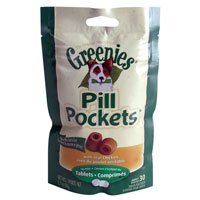
    Today"s Kool Idea: Greenies Pill Pockets for Dogs and Cats

    When we were kids, our older brother hated taking aspirin. Okay, perhaps we’re really showing our age here, but these were the days before children’s Tylenol liquid suspension and when Dimetapp cough syrup (we remember it as the yummy grape medicine) was by prescription only. Our poor mother could only get our brother to take a pill by crushing it in applesauce and spoon-feeding him. Considering the torture he put us through growing up, it was a great pleasure to have a reason to call big brother a “baby” at times…na nanny boo boo!

    Our poor pets don’t have it as easy as our brother did when it comes to taking medication. Whenever our dog Pepper has to take a pill, we literally pry his mouth open, shove it to the back of his throat, clamp his jaw shut and rub until he swallows. Don’t get us wrong, Pepper’s pretty good about taking them (certainly better than our brother was), but why should we have to struggle at all? Isn’t there a way to let him think his medication is more reward than punishment?


    Leave it to our mother…she found these Pill Pockets for dogs and cats by the Greenies company last year. As a foster parent for Poodle Rescue, our mother fell in love with and decided to keep an otherwise unadoptable dog who had a host of social and medical issues…sometimes, things are just meant to be. Poor Kasha took pills three times a day and somehow became very adept at hiding them in her mouth to later be spit out in Mom’s potted plants…ah yes, Kasha was quite the clever pooch. Greenies Pill Pockets changed all of that.


    Greenies Pill Pockets for dogs and cats are a nutritious treat that contain a built-in pocket, perfect for hiding a pill or supplement. This veterinarian designed and recommended solution is truly brilliant (why can’t we think of these things?)! Seriously, folks…it doesn’t get any easier than this. Just hold the Greenies Pill Pocket, insert the pill, squeeze the top half closed, then give as a treat. There are two sizes available for dogs; the smaller one is great for tablets, while the larger one is more suited for capsules. The one size for cats works well for either capsules or tablets. Dogs have their flavor choice of beef or chicken, while cats get either chicken or salmon. Pets love the taste so much, they won’t even notice there’s medicine inside.

    Though we have been recommending


    Greenies Pill Pockets to all of our friends without complaint, remember that pets (like people) have different tastes…it is possible that yours won’t like them. But, for around $ 8 per package, it’s certainly worth taking the chance. We’ve also heard that some cats may be too smart to fall for the old “hide the pill in the pocket” trick and will chew around the pill…show offs! Our pooch Pepper tends to just swallow the whole darn thing, especially if we make him work (sit, shake, speak, etc.) to earn it. We love how pliable Greenies Pill Pockets for dogs and cats are…you can mush them around even really large pills. Plus, we can fit several smaller pills inside one of the larger pill pockets if we wanted to.

    There has been some controversy surrounding the authenticity of some of the


    Greenies Pill Pocket distributors on Amazon, so we’ve referred you to our friends at 1-800-PetMeds (we used to work for the CEO at his previous company ten years ago and are big fans of his). Besides, the prices are reasonable and they have a 100% customer satisfaction guarantee. The company doesn’t seem to carry the salmon flavor for cat, though…we’re not sure why. If you’d rather shop locally, we’ve found that Pet Supermarket tends to have a better price than PetSmart, and that many vets carry them as well.

    Here’s the bottom line…if you put medication inside something that pets actually like, then giving pills becomes a lot easier. Just like the applesauce trick worked with our brother.


    Greenies Pill Pockets for dogs and cats are a stress-free medication delivery treat and an absolute “kool” idea that every pet owner should try.


    Bookmark and Share


    Subscribe to The Daily Kool by Email


    Aspirin: The Most Common Poisoner of Dogs

    Aspirin-the quickest fix for discomfort found in your own medicine cabinet-may be highly toxic to a dog. Aspirin toxicity can cause life-threatening, long-term complications and even death, especially in young or small dogs. But, with the right dose, aspirin can be a very helpful medicine for your dog. Following a proper dosage schedule is critical; never give your dog over the counter aspirin without first consulting your vet.


    Symptoms of Aspirin Toxicity in Dogs


    Administered correctly, aspirin may indeed reduce pain and inflammation, making dogs feel more comfortable. However, toxic quantities of aspirin may adversely affect all systems of your dog’s body: the circulatory system, causing impaired clotting of blood; the digestive system, causing ulcerations in the lining of the stomach, intestines and bowels, and possibly ushering in a dangerous bacterial infection of the abdomen; the neurological system, causing behavioral changes, lack of coordination and seizures; and, the renal system, causing acute kidney failure. Symptoms of aspirin toxicity in dogs include:


    • Panting

    • Vomiting

    • Bloody vomiting

    • Depression

    • Anxiety

    • Lethargy

    • Black, tarry stools (melena)

    • Diarrhea

    • Lighter urine

    • Pale gums

    • Loss of appetite

    • Extreme thirst

    • Spontaneous bleeding


    Proper Aspirin Dosage and Frequency


    The recommended aspirin dosage for dogs is 5 mg to 10 mg per pound of your dog’s weight, administered once during a 12-hour period. An adult aspirin is 320 mg; a baby aspirin is 80 mg. The lowest dosage will likely provide adequate relief. If not, your vet may instruct you to gradually increase the dosage. Aspirin can be toxic if given in high doses of about 30 mg per pound. For example, a baby aspirin could poison a dog weighing 2 pounds or less, and an adult aspirin could poison a dog weighing about 10 pounds.


    Do not administer coated aspirin, for your dog cannot digest it and excretes it in the stools. Puppies cannot tolerate aspirin in any quantity, because their bodies lack enzymes that break it down. Never give aspirin to puppies.


    If You Suspect Aspirin Poisoning


    If you believe your dog has ingested too much aspirin, do not treat your dog at home. Immediately take your dog to a vet’s office or hospital to obtain a conclusive diagnosis and receive proper treatment. Other serious illnesses, like pancreatitis, cause symptoms similar to aspirin toxicity. However, you are advised to call en route for instructions on whether to induce vomiting before you reach the doctor’s office.


    Preventative Measures


    Prevention is the the best way to spare your dog the harmful effects of aspirin toxicity. Remember, your dog is a natural detective, and can find aspirin tucked away in purses, wallets, baby bags and backpacks. Always keep aspirin in a dog-proof container, out of your dog’s reach.

    Arthritis and Dogs

    Arthritis is common in people as nearly 50% of the people over 65 years of age are affected. Our pets, especially older dogs and horses, are also commonly affected with arthritis as they are living longer than ever before. The number of dogs with arthritis doubles after dogs reach 7 years of age. Many people with older dogs believe they are getting around slower just because of normal old age aches and pains, while many of these dogs, probably at least half, are actually suffering from arthritis and are not being treated. Symptoms of arthritis at first are slight stiffness in the morning, reluctance to walk, and difficulty rising. These symptoms should tell you that your dog is having a problem and a veterinary visit is recommended.


    If your vet determines arthritis is present, we now have excellent medications specifically designed and approved for canine arthritis. Over the counter drugs used for people such as aspirin, ibuprofen, and acetaminophen should not be used in dogs. These drugs can be toxic in dogs depending on the dose so again aspirin, ibuprofen, and acetaminophen should not be used in your dog. Exercise such as walking and swimming are good for arthritis as it helps to decrease weight and improve muscle tone. As far as weight, this is the number one thing you can do to help your pet. At least 50% of the arthritic dogs we see in our practice would not need any arthritis pain medication if they would just lose the extra weight. This can only be done with a veterinary plan of a reduced calorie food as the over the counter foods are not low enough in calories for weight loss to occur and the diet will not be effective.


    Wednesday, September 25, 2013

    can dogs have a fever? what can i do at home?

    my 2 yr old female neautered jack russell has vomited 4 times in two days.
    she is frisky, happy ,etc, but panted and its like 50 degrees outside.
    i feel she may have a fever.
    i cannot take to vet. its saturday after noon.
    can i give her tylenol?
    or what?
    any ideas?
    she is like my child. i love her.
    let me know what you think.
    Answers:
    You can give your dog 1/2 of a baby aspirin per 10 pounds. Dogs can run a fever. She may feel hot to you because the normal temperature for a dog is between 100.5 and 102.5. You can take her temp with a rectal thermometer. Hold her off food and water for 24 hours and give her stomach time to heal if she has a stomach virus. Good Luck and call an emergency vet if her condition deteriorates before Monday. Good Luck!


    dogs can have fever. my dog also have before. try to let her drink honey mixed with water. and try to contact your vet. ASAP

    give her an aspirin.. depending on her weight..1/2 is good, Tylenol doesn’t take the temperature down. Then give her a cool bath.. or just wipe her down with a wet cool cloth. Just for now.. then the vet.

    My vet told me I could give my dog half a childrens tylenol when he had a back injury, so it must be safe and he’s a small dog. Yes, they can get a fever. Although, when my dog had his back injury, I thought he had a fever too and the vet told me the panting was just due to his nerves. Is there something that might be stressing him out? Maybe the vomiting is a result of that too. Oh also, is it like real chunky vomit or just a puddle of yellow stuff (i know, gross)? But if it’s just a little puddle of yellow stuff, it probably isn’t really vomit, it’s like foamy mucus or something and my vet said that can be caused by a sore throat or allergies. My dog does that a lot, he has allergies. I hope your dog gets to feeling better.

    Take her to an emergency clinic. They are a little more expensive than your general clinic, but that’s because they are there for when something goes wrong. The vomiting and fever are not good. Don’t give any over the counter medicines. They can make the problem worse or cause new ones. Your dog really needs to be seen by a vet. Remember, dogs have higher body temperatures than humans, so if it is 100 degrees your dog is not running a fever, but is normal. The vomiting is something that you need to worry about though.

    When my chihuahua had a fever she wouldn’t eat or drink anything so my dad who is a doctor fed her ground up aspirin and some watermelon. I think they get de-hydrated when they are sick and although some dogs refuse to drink water when they have a fever, they will eat some watermelon. I also think the aspirin worked because my chi’s fever went down.

    Yes, it is possible for a dog to have a fever and a vet would normally check this with a rectal thermometer. Your dog needs to go to a vet as soon as possible to determine what is wrong with her. Also try to bring a stool sample with you if you can since sometimes vomiting can be a sign of worms. Check your phone book and call around, some vets are open Saturday and even on Sundays for shorter hours. Additionally, most medium to larger cities tend to have one or more emergency after hours vet clinic that is open only late nights (say from around 7pm-9am or so). The after hours places tend to be quite expensive (about twice what you’d pay for a normal visit for the appointment fee), so hurry and start calling other vets if your vet isn’t open on Saturdays.

    I’m going to guess that you feed her around twice-a-day and that she isn’t keeping much or any food down. If you can find an open vet you can purchase a few cans of Science Diet I/D (Intestinal Distress) even if you can’t get an appointment and hopefully she can keep that down. You can also try feeding her a thin oatmeal or rice gruel to which you’ve added a banana since that would be more gentle for her stomach. Make sure she drinks lots of water, you can try mixing a small amount of fruit juice into her water and she might drink more. The best thing to do is to get her to a vet today.


    Don’t give her Tylenol (acetaminophen) as it has a much higher toxicity than aspirin or other pain relievers. Its possible that you could easily giver her too much Tylenol and kill her (causes liver failure).
    Aspirin is sometimes considered safe for dogs in very small doses for short periods of time, however, its harmful to their stomachs and difficult to dose correctly. Thus unless directed to do so by a vet you shouldn’t give it to your dog. Additionally, your dog is vomiting so giving him something that upsets his stomach wouldn’t be in his best interest.


    ASPIRIN FOR DOGS - Chinaroad Lowchens of Australia -

    Uses for Aspirin
    Dogs are most commonly given aspirin for treatment of arthritis and associated joint pain. There may be other situations where your dog is in pain, where aspirin may give relief.


    Aspirin has good anti-inflammatory effects that reduces swelling. It can also reduce pain and fever. These effects will help make your dog more comfortable.


    Note that a dog is not a human. Just because your dog “does not feel good” is not a reason to give it an aspirin. Usually, aspirin is given to relieve extreme conditions of discomfort. Also note that most vets prescribe Rimadyl as a better pain-killer and anti-inflammatory than aspirin.


    Use caution
    You should use caution in administering any medication to a pet, because too much may be toxic, the medicine may not be tolerated, or it can cause an upset stomach or ulcers in the animal.


    Can be toxic
    It can be toxic if given in high doses of about 30 mg per pound of the dog. This means that even baby aspirin could be poisonous for dogs weighing two pounds or less. An adult aspirin which is 320 mg. would be toxic for a 10-pound dog. To be sure that you are using the aspirin for the right reason and at the right dose, you should consult your veterinarian first.


    Not for young dogs or cats
    Aspirin is poorly tolerated by young dogs, since they lack the enzymes necessary to process the aspirin. The same is true for most cats.


    Upset stomach
    Aspirin can cause gastrointestinal upsets and ulcers in dogs, just as in humans. You should pay attention to your dog’s eating habits when administering aspirin to watch for signs of an upset stomach. If there are any signs of ulcers, such as blood-tinged vomiting, it is important to stop the aspirin.


    Giving the aspirin with food and using buffered aspirin is the best to prevent stomach problems.


    I prefer to grind up the aspirin and put it in some food to make sure it does not irritate the stomach lining.


    No Tylenol
    You should not give your dog such products as Tylenol as a substitute for real aspirin. Some people say their vet prescribed Tylenol, but most sources say it should not be given to animals.


    Recommended dosage
    Most veterinarians recommend between 5 mg and 10 mg per pound of the dog’s weight every 12 hours. Going on the safe side, a recommended dosage of aspirin of about 5 mg/lb seems to work well for most dogs. If you are going to give more, it is a good idea to check with your vet. Also, note that a small dog should take less per pound.


    Enteric coated aspirin is not recommended in dogs because about half the time the coating isn’t digested and the aspirin is excreted whole in the stool.


    Start small
    It is better to start off small and work your way up to the maximum. If the dog has relief with a smaller dosage, that is great.


    A standard aspirin is 320 mg. A baby aspirin is typically 80 mg. That means that 5 mg/lb works out to be one baby aspirin per 16 pounds of body weight twice a day.


    Chart
    The following chart can be used as a guide. Note that this is not medical advice.

    Tuesday, September 24, 2013

    K9 Aspirin for Dogs / Type (120 mg)


    Price : $ 8.73


    K9 Aspirin for Dogs / Type (120 mg)

    Best to buy $ 8.73 - K9 Aspirin for Dogs / Type (120 mg) online at discount prices or through cheap special and choose One-Day Shipping at checkout.


    Product Description : 

            K9 Aspirin for Small and Large Dogs has a tasty liver flavor that your dog will love. Made to be chewable, this tablets help relieve pain and inflammation. Liver flavor. For small dogs, use 120 mg. (100 tablets per bottle.) For large dogs, use 300 mg. K-9 aspirin for small dogs is a highly palatable liver flavored chewable that aids in temporary relief of pain and swelling. 100 tablets per bottle.. Active Ingredient: Aspirin 120 Mg, Inactive Ingredients: Lactose, Liver Meal, Malted Milk, Stearic Acid.: Size: 120 MILLIgm.

    Compare price comparison Order on ‘ K9 Aspirin for Dogs / Type (120 mg)’. Best K9 Aspirin for Dogs / Type (120 mg). Discount on K9 Aspirin for Dogs / Type (120 mg) or order our colourful new catalogue today.
       RELATED K9 Aspirin for Dogs / Type (120 mg)


    $ 40.19


    $ 16.29


    $ 15.83


    $ 3.28


    $ 14.36


     K9 Aspirin for Dogs / Type (120 mg)


    TAG : Best K9 Aspirin for Dogs / Type (120 mg), Buy K9 Aspirin for Dogs / Type (120 mg), Deal K9 Aspirin for Dogs / Type (120 mg), Discount K9 Aspirin for Dogs / Type (120 mg), Best buy K9 Aspirin for Dogs / Type (120 mg), K9 Aspirin for Dogs / Type (120 mg) Online, Where to buy K9 Aspirin for Dogs / Type (120 mg),Big save on K9 Aspirin for Dogs / Type (120 mg), Find K9 Aspirin for Dogs / Type (120 mg), Get K9 Aspirin for Dogs / Type (120 mg)


    ความคิดเห็น


    sfgfgty sfrgty


    ความคิดเห็น

    ยกเลิก


    คุณไม่มีมีสิทธิ์เพิ่มความคิดเห็น